
When Community Funding Meets Legal Liability: Understanding Your Rights After a Dog Attack
Every year, approximately 4.5 million Americans experience the trauma of a dog bite, with about 885,000 requiring medical attention. If you’ve been injured by a dog in Ulster County, you might wonder how the local animal welfare system impacts your ability to seek compensation. The Kingston SPCA’s reported status as a 95% community-funded organization creates unique considerations for dog bite victims navigating the legal process. Unlike government-run facilities with standardized protocols and deeper insurance coverage, community-funded shelters operate differently—and this distinction can significantly affect your case. From investigation procedures to available resources, understanding how local animal control operates becomes crucial when pursuing compensation for your injuries.
💡 Pro Tip: Document everything immediately after a dog bite, including the exact location, time, and any witnesses. If the dog came from or ends up at a community-funded shelter, this documentation becomes even more critical for establishing liability.
If you’re dealing with a complex dog bite case linked to a community-funded shelter, Basch Keegan & Spada is here to help you navigate the intricacies of liability and compensation. Dial (845) 303-2748 or contact us today to explore your legal options and secure the justice you deserve.
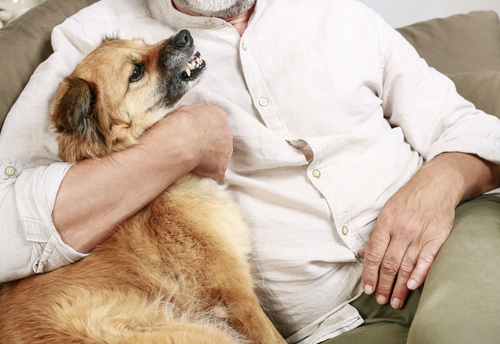
New York’s Strict Liability Laws and Community Shelter Responsibilities
New York operates under a mixed approach to dog bite liability, combining elements of strict liability with the traditional one-bite rule. This means that while dog owners face automatic liability for medical costs when their dog bites someone, additional damages for pain and suffering require proving the owner knew of the dog’s dangerous propensities. When dealing with dogs from community-funded shelters, this creates additional layers of complexity. A Kingston dog bite attorney can help navigate these nuances, especially when the dog’s history involves shelter stays or adoptions from facilities relying primarily on donations and volunteer support.
Community-funded organizations like the Kingston SPCA must maintain detailed records of animal behavior, adoption screening procedures, and any known aggressive tendencies. These records become crucial evidence in establishing whether proper warnings were given to adoptive families or if the shelter failed to disclose known risks. Understanding how to access these records and interpret them within New York’s legal framework requires someone familiar with both animal welfare operations and personal injury law. The Ulster County Department of Health’s requirement that all animal bites be reported creates an additional paper trail that strengthens your case when working with a knowledgeable dog bite attorney.
💡 Pro Tip: Request all available records from both the shelter and Ulster County Department of Health within days of the incident. Community-funded organizations may have less standardized record-keeping, making early document requests essential.
Critical Steps and Deadlines After a Shelter-Related Dog Bite
Time sensitivity becomes even more crucial when your dog bite case involves animals from community-funded shelters. Unlike government facilities with established protocols, volunteer-run organizations may have varying response times and documentation practices. Understanding the proper sequence of actions protects both your health and your legal rights. The following timeline outlines essential steps specific to cases involving community shelter animals in Ulster County:
- Immediate (0-24 hours): Report the bite to Ulster County Department of Health at (845) 340-3150 during business hours or (845) 943-6104 after hours—this triggers mandatory rabies assessment and creates official documentation
- Within 48-72 hours: If rabies post-exposure prophylaxis is authorized, present at Health Alliance of the Hudson Valley Emergency Room on Mary’s Avenue where Ulster County covers unreimbursed vaccine costs
- First week: Document all medical treatments, photograph injuries daily, and request the dog’s complete history from the shelter including intake records, behavioral assessments, and adoption agreements
- Within 10 days: File insurance claims with both your health insurance and the dog owner’s homeowner’s or renter’s insurance—community shelter adoptions often lack the liability coverage of municipal facilities
- First month: Consult with legal counsel to preserve evidence and determine all liable parties, which may include the shelter if they failed to disclose known aggressive behavior
💡 Pro Tip: New York’s statute of limitations for personal injury claims is three years, but evidence from community-funded shelters can disappear quickly due to volunteer turnover and less formal record retention policies.
Building Your Case with Help from Basch Keegan & Spada
Successfully pursuing compensation after a dog bite requires understanding both the legal landscape and the practical realities of community-funded animal welfare organizations. When shelters operate on donations and volunteer labor, insurance coverage may be minimal, making it essential to identify all potentially liable parties. A dog bite attorney in kingston ny who understands these local dynamics can uncover multiple avenues for compensation, from the dog owner’s insurance to potential shelter liability for inadequate screening or disclosure failures. The team at Basch Keegan & Spada brings extensive experience handling complex liability cases throughout Ulster County, including those involving adopted animals and the unique challenges posed by community-funded organizations.
Resolution strategies must account for the shelter’s funding model and operational structure. Community-funded facilities often have different insurance requirements and liability protections compared to government-run animal control departments. This affects not only potential compensation sources but also the legal strategies for establishing negligence or strict liability. Working with attorneys who understand these distinctions ensures you pursue all viable claims while navigating the sensitive balance between holding negligent parties accountable and respecting the community’s investment in animal welfare.
💡 Pro Tip: Request a consultation even if you’re unsure about liability—experienced attorneys can identify responsible parties and insurance coverage you might not have considered, especially in cases involving shelter animals.
The Hidden Impact of Shelter Funding Models on Victim Compensation
The distinction between government-operated and community-funded animal shelters extends far beyond their revenue sources. When 95% of a shelter’s budget comes from donations and fundraising, it fundamentally alters how dog bite legal claims proceed. Government facilities typically carry substantial liability insurance mandated by law, while community-funded organizations may operate with minimal coverage to preserve funds for animal care. This creates a challenging dynamic where victims face limited compensation pools despite legitimate injuries. Additionally, volunteer-run operations may lack standardized bite incident protocols, leading to incomplete documentation that complicates your ability to prove the shelter’s knowledge of aggressive behavior.
Insurance Gaps and Alternative Compensation Sources
Community-funded shelters often carry only basic general liability policies with low limits and high deductibles. This reality forces dog bite attorneys to explore creative compensation strategies. Beyond the obvious pursuit of the adoptive owner’s homeowner’s insurance, attorneys may investigate whether the shelter’s adoption contracts included proper liability waivers, if board members carry directors and officers insurance that might apply, or if fundraising events created additional insurance obligations. The shelter’s reliance on community funding might also mean local businesses or major donors have sponsored specific programs, potentially creating additional liability pathways through negligent supervision or premises liability theories.
💡 Pro Tip: Always investigate whether the dog was adopted during a special event or promotion—these occasions often involve additional insurance policies or corporate sponsors who might share liability.
Navigating Breed-Specific Considerations and Shelter Disclosure Duties
Community-funded shelters face unique pressures to place animals quickly due to limited space and resources. This urgency can sometimes lead to incomplete disclosure about a dog’s breed mix or behavioral history—information crucial to establishing liability under New York’s mixed approach to dog bite law. While New York doesn’t have statewide breed-specific legislation, understanding breed tendencies becomes important when proving an owner should have known about dangerous propensities. A dog bite attorney in kingston ny must carefully examine how the shelter identified and disclosed breed information, especially for dogs with unknown histories or those labeled as “lab mixes” to improve adoption chances.
Documentation Standards and Volunteer Training Issues
The volunteer-dependent nature of community-funded operations creates additional complexity in strict liability dog bite laws cases. Inconsistent volunteer training can result in missed behavioral red flags or improper documentation of concerning incidents during a dog’s shelter stay. Unlike municipal facilities with paid staff and standardized procedures, community shelters may rely on volunteers with varying levels of experience to conduct behavioral assessments. This inconsistency can work both for and against victims—poor documentation might hide evidence of known aggression, but it might also demonstrate negligent adoption practices that strengthen your claim against the shelter itself.
💡 Pro Tip: Request volunteer training materials and behavioral assessment forms used by the shelter—inconsistencies between written policies and actual practices can establish negligence.
Understanding Shelter Liability and Victim Rights
Dog bite victims often have numerous questions about how shelter involvement affects their legal options. The intersection of animal welfare operations and personal injury law creates unique considerations that standard dog bite cases don’t address. Understanding these nuances helps victims make informed decisions about pursuing compensation while respecting the community’s investment in animal welfare.
💡 Pro Tip: Write down all your questions before consulting with an attorney—the initial consultation is your opportunity to understand how shelter involvement specifically impacts your case strategy.
Moving Forward After a Shelter Dog Attack
The path to recovery after a dog bite involves both physical healing and financial compensation. When the attacking dog came from a community-funded shelter, this journey requires understanding additional legal complexities while maintaining sensitivity to the organization’s charitable mission. Victims deserve fair compensation without destroying valuable community resources.
💡 Pro Tip: Consider requesting mediation before litigation when shelters are involved—many community organizations prefer collaborative resolution to preserve donor relationships and their reputation.
1. Can I sue a community-funded shelter like the Kingston SPCA if their adopted dog bit me?
Yes, you may have grounds to pursue legal action against a shelter if they knew or should have known about a dog’s aggressive tendencies and failed to disclose this information to adopters. Community-funded status doesn’t eliminate liability for negligent adoption practices. However, these cases require proving the shelter had actual or constructive knowledge of the danger, making documentation and investigation by a Kingston dog attack attorney essential.
2. How does the Ulster County rabies reporting requirement help my dog bite legal case?
Ulster County’s mandatory reporting creates an official record that serves as crucial evidence. When you report to the Department of Health at (845) 340-3150, they document the incident, investigate rabies risk, and may authorize post-exposure prophylaxis. This official investigation provides third-party verification of your injuries and can uncover the dog’s history, including previous bites or shelter involvement, strengthening your Kingston dog bite compensation claim.
3. What if the shelter claims they’re protected by charitable immunity?
New York has largely abolished charitable immunity, meaning nonprofit status doesn’t automatically protect organizations from liability. While community-funded shelters may have some protections for good-faith activities, they remain liable for negligent acts like failing to disclose known aggressive behavior. An Ulster County dog bite lawyer can navigate these defenses and identify when shelter actions exceeded protected charitable functions.
4. How long do I have to file a claim when a shelter dog is involved?
New York’s statute of limitations for personal injury claims is generally three years from the date of injury. However, claims involving shelters may have additional notice requirements or shorter deadlines for certain causes of action. Evidence from volunteer-run organizations can also disappear quickly. Consulting with Kingston dog bite legal help immediately ensures you meet all deadlines and preserve essential evidence.
5. Will suing affect the shelter’s ability to help other animals?
Responsible legal action typically targets insurance coverage rather than operational funds. Most shelters carry liability insurance specifically for these situations. Experienced attorneys understand how to pursue fair compensation while minimizing impact on charitable operations. Many cases resolve through insurance settlements that don’t affect daily shelter operations or their ability to serve the community’s animals.
Work with a Trusted Dog Bite Lawyer
When community-funded shelters are involved in your dog bite case, you need legal representation that understands both animal welfare operations and personal injury law. The intersection of charitable organizations, insurance coverage gaps, and New York’s mixed liability approach requires careful navigation. Selecting an attorney with experience handling these complex cases ensures you receive fair compensation while respecting the community resources that support animal welfare. Your choice of legal counsel can mean the difference between a comprehensive recovery and missed opportunities for compensation.
Facing the complexities of a dog bite case linked to community-funded shelters doesn’t have to be a solo journey. Reach out to Basch Keegan & Spada for guidance tailored to your situation. Call (845) 303-2748 or contact us today, and let’s work together to secure the justice you seek.